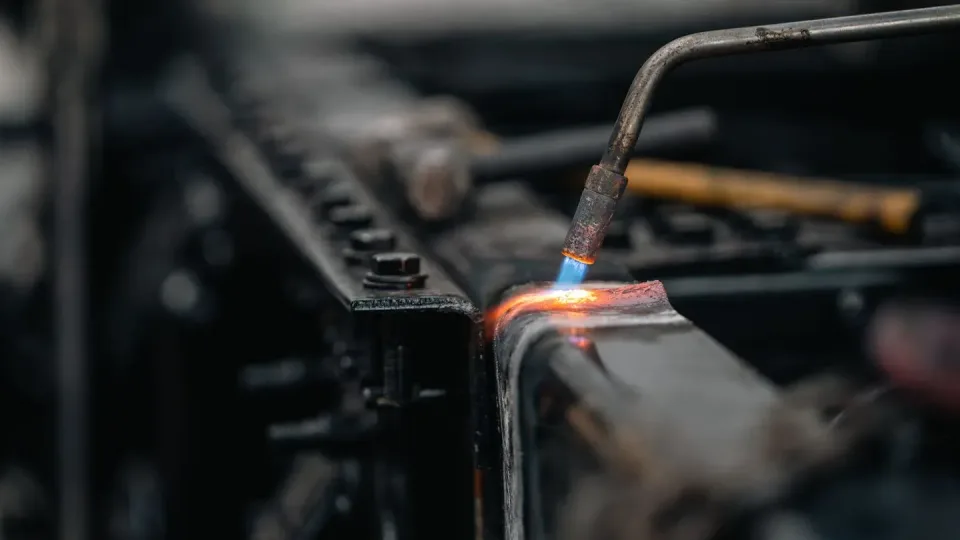
Why Does My Furnace Start Then Shut Off After a Few Minutes?
A furnace that fires, runs for two or three minutes, then clicks off is short cycling, and the usual culprit is a dirty flame sensor or restricted airflow. Restricted airflow from a loaded filter does the same thing by overheating the heat exchanger.
We see this constantly during Vermont’s long winters, when runtime hours pile up and marginal parts finally give out. Our crew diagnoses the actual cause with a combustion analyzer before touching parts, so you get a straight answer on whether it’s a sensor, a limit switch, or something bigger.
What Actually Causes Short Cycling?
Vermont furnaces work harder than almost anywhere in Vermont. Long, cold winters push runtime far beyond what a system in a milder state sees, and subzero cold snaps expose any weak link a tired inducer motor, a marginal gas valve, a clogged filter within a single night. When a furnace starts then shuts off, the pattern itself tells a story.
Three causes cover most calls we run. First, a dirty flame sensor: the control board proves ignition, doesn’t see the flame signal it expects, and locks the burners out.
Second, overheating: a 1–4 inch filter that hasn’t been changed chokes airflow, the heat exchanger gets too hot, and the limit switch shuts the furnace down to protect it. Third, venting problems snow drifts or ice blocking a PVC exhaust pipe on a side wall will trip a pressure switch.
That last one is pure Vermont: after a nor’easter drops heavy snow, we get a wave of calls where the furnace was fine until the drift buried the vent.
Can You Fix It Yourself?
Yes, for two things; no for the rest. You can replace a filter and you can visually check that the exhaust and intake pipes outside are clear of snow. Both take ten minutes and solve a surprising share of shutdowns.
Beyond that, call a furnace technician. Working on gas controls, the heat exchanger, or the inducer motor means opening the appliance, and NFPA 54 the National Fuel Gas Code governs how that work gets done for good reason.
A cracked heat exchanger can spill combustion gases into your living space, and no homeowner should guess at that from a YouTube video.
What Does Furnace Repair Cost in Vermont?
A flame sensor cleaning or replacement sits at the low end; a failed inducer motor or control board climbs higher. We put the numbers in writing before any wrench turns. If the repair estimate approaches half of replacement cost on an older, low-AFUE unit, we’ll say so plainly.
When Should You Stop Repairing and Start Planning?
A furnace that needs repeated visits every winter is telling you something. Alice H.
Parker patented a gas-heating furnace design back in 1919, and some Vermont basements still run equipment with that era’s mindset big, inefficient, and hard to source parts for. If your unit is past 15–20 years and the repair list keeps growing, it’s time to compare it against modern options, including cold-climate heat pumps that pair with a furnace for backup.
We’ve written a heat pump versus furnace Vermont climate guide on our blog if you want the full comparison, and our Furnace Repair team handles the diagnosis either way. You can also read more about why furnaces start then shut off in cold weather on our site.
The practical takeaway: check the filter and the outdoor vent first. If the furnace still short cycles, get a real diagnostic before winter’s next cold snap finds you without heat.
Repair, Replace, or Convert: Which Path Fits Your Furnace?
Once a furnace starts shutting down repeatedly, you have three realistic paths: repair the failed part, replace the furnace, or convert to a heat pump. The right choice depends on equipment age, fuel type, and how your ducts are built. Here’s how the options compare.
| Option | Best for | Key detail |
|---|
| Heat pump conversion | Oil furnace owners tired of fuel costs | Heat pumps provide heating and cooling; AC cools only |
|---|---|---|
| Ducted heat pump retrofit | Homes with sound existing ductwork | Manual D duct design confirms trunks (commonly 8–20 inches) can handle the airflow |
Two checks protect you on any path. Insist on Manual S equipment selection so the new unit’s capacity matches a real load calculation rather than a rule of thumb, and confirm the indoor and outdoor equipment are AHRI-matched mismatched pairs lose efficiency and warranty coverage. Get the written equipment warranty documentation before the crew leaves the driveway.
How to Prep for a Furnace Service Visit in Vermont
A little preparation makes a furnace diagnostic faster and cheaper. Vermont summers are generally short and mild, which means most heating work gets scheduled in a compressed fall window showing up prepared keeps your visit on track. Here’s what we ask homeowners to do before we arrive.
-
Clear the path: Provide technicians clear access to the furnace and electrical panel move storage bins so we can open the unit and test static pressure.
-
Secure pets: Keep animals in a closed room so the door stays shut and nobody slips out during tool runs.
-
Check the filter: Replace or clean filters according to equipment instructions; most furnace filters measure 1–4 inches thick, and a fresh one eliminates the most common shutdown cause.
-
Document the unit: Write down model numbers and any commissioning measurements from past service tags so we can match parts quickly.
-
Note the symptoms: Track when the furnace starts then shuts off timing after ignition tells us whether to suspect the flame sensor or the limit switch.
-
Plan the season: If replacement is likely, schedule startup after electrical and gas connections are complete, before the first hard freeze.
Even though Vermont’s cooling season is brief, we handle residential AC installation across Vermont too, and AFUE ratings work the same way for furnaces as SEER2 does for cooling higher numbers mean lower seasonal fuel bills. If you’re weighing efficiency, ask us to explain the rating on any quote.
Get Your Furnace Diagnosed Before the Next Cold Snap
A furnace that starts then shuts off rarely fixes itself, and Vermont’s subzero cold snaps expose weak heating systems at the worst possible hour. The fix is often modest a flame sensor, a filter, a cleared vent but only a real diagnostic tells you which.
Our technicians run gas furnace service and heat pump and furnace service with combustion testing, so you learn the actual cause before spending a dollar. If your furnace is not starting reliably this winter, or you’re weighing a cold climate heat pump as a longer-term answer, call E2E-small-state-shared-plain at (555) 010-0000 or request a quote through our Furnace Repair page. We’ll give you the numbers in writing and a straight recommendation.